Biology
Artificial meat 'crowned' next 2 years?
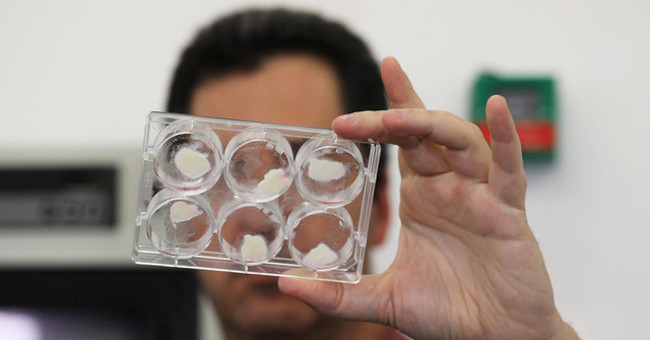
Future Meat Technologies is currently focusing on creating muscle and fat cells that are the core foundation for creating artificial meat.
Browse ScienceInfo articles and explainers related to Artificial Meat.
34 published items.
Future Meat Technologies is currently focusing on creating muscle and fat cells that are the core foundation for creating artificial meat.

After two years of successful beef production in the laboratory, scientists are turning to chicken research.
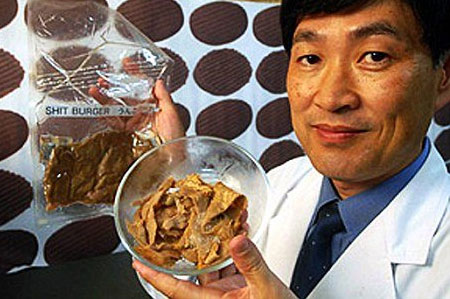
Scientists at Okayama Research Institute (Japan) have successfully developed an artificial meat from human feces.
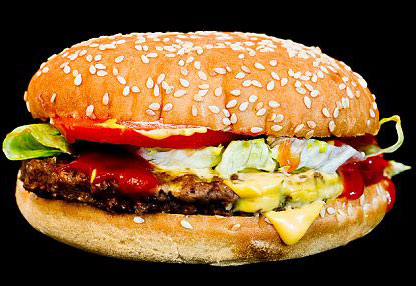
Scientists believe that minced beef products grown from cow stem cells in the laboratory will become a reality within 12 months.

Dutch scientists have found a way to produce artificial meat in the laboratory.
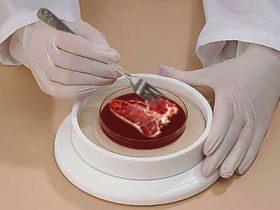
Lab meat in the laboratory is opening a new era for agriculture worldwide.
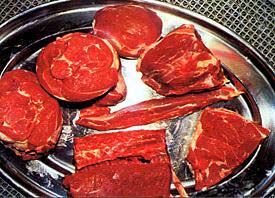
In the morning, you enter the bar and order beef, chips and 1 cup of coffee. All of these foods have excellent color and taste. But the ingredients make up
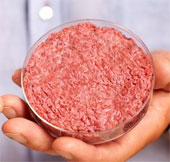
On August 5, a group of Dutch scientists, chefs and culinary artists officially released the first book in the world to cook dishes from food created in the laboratory.
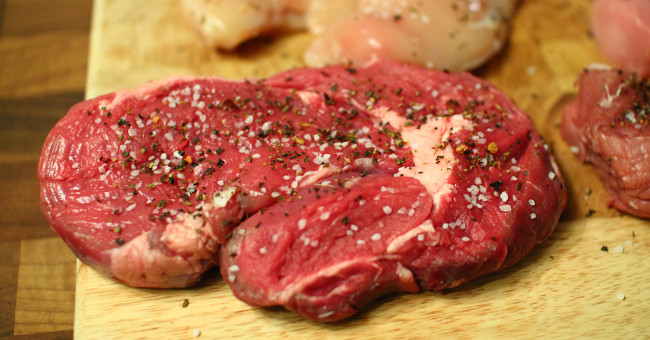
According to Bgr, many people today do not want to eat meat or animal products for moral reasons.
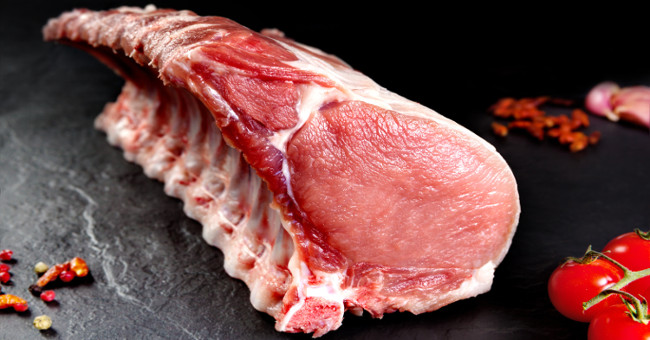
In the future, humans can eat meat but do not need to kill animals thanks to the technique of creating meat from stem cells.
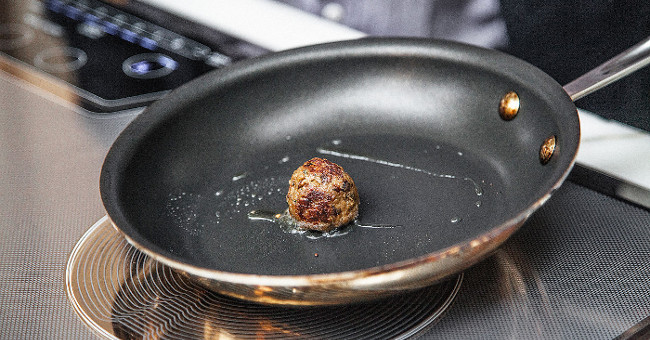
If you accept to spend $ 18,000, you will have a delicious meatball without any cow sacrificing for your meal.
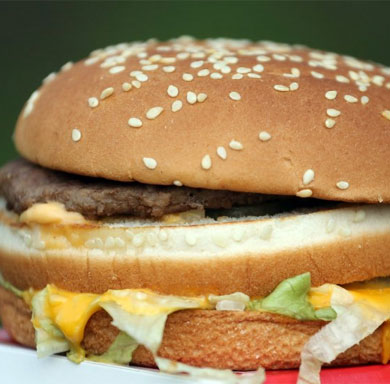
The Dutch artificial meat research team said it would launch the first low-cost hamburgers to market in 2020.

With Modern Meadow, an artificial meat start-up company, the biggest challenge is to persuade customers to eat laboratory-made meats.
The world's first artificial meat sandwich is cooked at a restaurant in the British capital on August 5.
The guests at the party enjoyed the traditional and modern dishes made from artificial beef pieces.